
- Home
- Products
- Radiation Meter
Radiation Meter
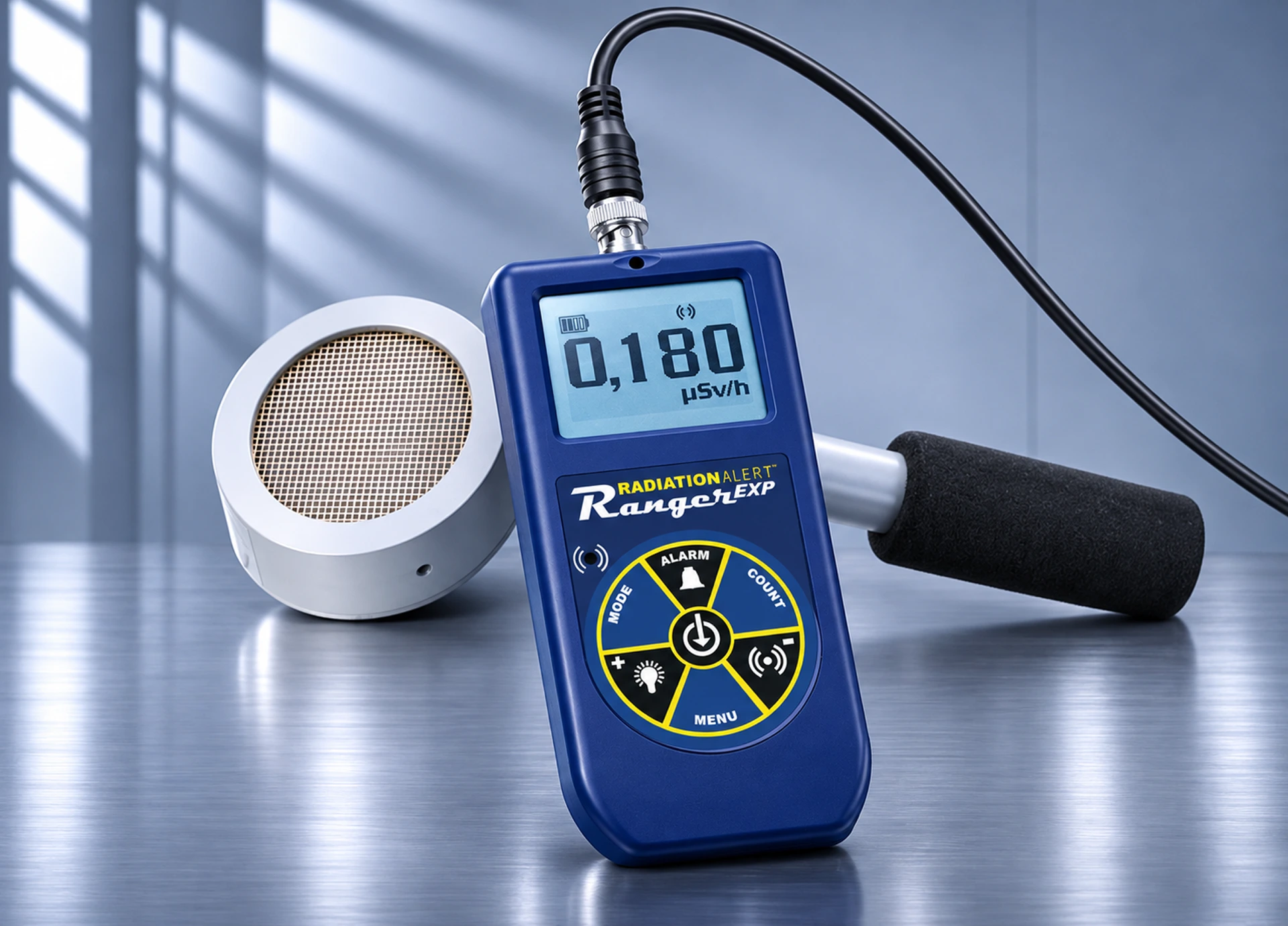
Radiation cannot be seen, smelled or felt, and long-term exposure to high levels of ionising radiation can increase the risk of health problems. This is why a radiation meter is important in workplaces that use X-ray inspection equipment or handle radioactive materials. It helps workers check radiation levels, identify potential hazards and protect everyone in the workplace. In this guide, we explain where a radiation meter is used, the key features to consider and how to choose the right radiation meter for your needs.
Where Is a Radiation Meter Used?
Radiation meters are used in various industries to detect ionising radiation and investigate potential radioactive contamination. The right instrument depends on the radiation source, the type of measurement required and the working environment.
NORM Surveys
Naturally Occurring Radioactive Material (NORM) can be found in industries such as oil and gas, mining and mineral processing. A suitable radiation meter helps personnel survey equipment, materials and work areas for signs of radioactive contamination.
Scrap Metal Screening
Scrap metal recycling facilities may use radiation detectors to screen incoming materials for unexpected radioactive sources. Handheld survey meters can help personnel investigate suspected areas, while larger facilities may require dedicated portal monitoring systems.
Surface Contamination Monitoring
Radiation meters can help users survey packages, equipment, tools and work surfaces where radioactive materials may be present. The appropriate detection method depends on the radiation type and whether the task involves measuring radiation levels or checking for removable contamination.
Wipe Testing
Wipe testing involves collecting a sample from a surface and measuring the sample for evidence of removable radioactive contamination. Some radiation survey meters, including the Radiation Alert Ranger, can support gross wipe counting when used with a compatible wipe test plate and appropriate procedures.
X-Ray Screening and Leak Testing
Some old items give off small amounts of radiation. Radium-dial watches, uranium glass and vintage ceramics are common examples. Collectors use a meter to check items at home, at estate sales and at auctions.
Other Industries
Radiation meters are also used in laboratories and schools for safety checks and teaching, in healthcare areas that use X-ray equipment, in nuclear and health physics work for routine monitoring, and by government and public safety teams for screening and response.
Key Features to Consider When Choosing a Radiation Meter
Not all radiation meters have the same features. Before choosing one, consider the following points to find a meter that suits your needs.
1. Radiation Detection Capability
First, identify which types of radiation you need to detect. Depending on the model, a radiation meter may detect alpha particles, beta particles, gamma rays or X-rays.
If your work involves more than one type of radiation, a multi-radiation survey meter may offer greater flexibility. For example, the Radiation Alert Ranger from SE International can detect all four types. However, make sure the instrument is suitable for the specific measurement task you need to carry out.
2. Measurement Range and Units
Check the meter’s measurement range to make sure it can measure the radiation levels you expect to find in your workplace.
You should also check the units it uses. Some meters show radiation levels, while others count the number of radiation events detected over a period of time. Choose a meter that provides the readings you need for your work.
3. Detector Sensitivity and Energy Response
Different radiation meters respond differently to radiation. Some can detect lower levels of radiation, while others are designed for different measurement needs. This is especially important when measuring X-rays because their energy levels can vary. Check the manufacturer’s specifications to make sure the meter is suitable for the type of X-ray measurement you need.
4. Display and Alarm Functions
A clear display makes it easier to read radiation measurements. A backlit screen is also helpful when working in dimly lit areas.
Some meters have sound and light alarms that alert users when radiation readings reach a set level. These features help users notice changes in readings during routine checks.
5. Data Storage and Connectivity
Some radiation meters can connect to a computer or mobile device to download and save readings. This can help users keep records of radiation surveys and review measurements later. If you need to store readings for reports or regular checks, look for a meter with suitable data storage or connection options.
6. Calibration and Accuracy
Calibration is an important consideration when choosing a radiation meter for professional use. Check the manufacturer’s stated accuracy, calibration reference, available calibration services and any requirements specified by your organisation or relevant regulations.
You should also check the manufacturer’s calibration recommendations and any requirements that apply to your workplace. For tasks involving radiation safety, make sure the meter is suitable for the measurements you need to take.
How to Choose the Right Radiation Meter for Your Needs
Selecting a radiation meter begins with understanding how you plan to use it. Consider these questions before making a decision:
- What will you use the meter for?
Start by identifying the main purpose of the instrument. You may need a radiation meter for routine safety checks, industrial inspections or monitoring areas where radiation may be present. Understanding your main task helps narrow down the options and avoid choosing an instrument that does not meet your needs.
- Where will the instrument be used?
Consider the working environment before choosing a model. If you need to carry the meter between different locations, a lightweight and portable design may be more convenient. For use in factories, laboratories or inspection areas, also consider the display, battery life and operating conditions to make sure the instrument suits your daily tasks.
- What measurement results do you need?
Consider how you will use the readings after taking a measurement. Some tasks may only require users to check radiation levels on the display, while others may involve keeping records for reports or future reference. Understanding these needs can help you choose an instrument that fits your daily work process.
- Does the Meter Suit Your Equipment and Work Procedures?
Make sure the instrument is suitable for the equipment and radiation sources involved in your work. For example, measuring X-ray radiation requires a meter designed for the intended type of measurement. You should also consider your workplace procedures and any relevant radiation safety requirements before selecting a model.
Once you understand your requirements, the next step is finding an instrument that suits your application. Alex Corporation offers an X-ray Radiation Meter for X-ray measurement needs. Contact Alex Corporation to discuss your requirements and find out if the product is suitable for your work.
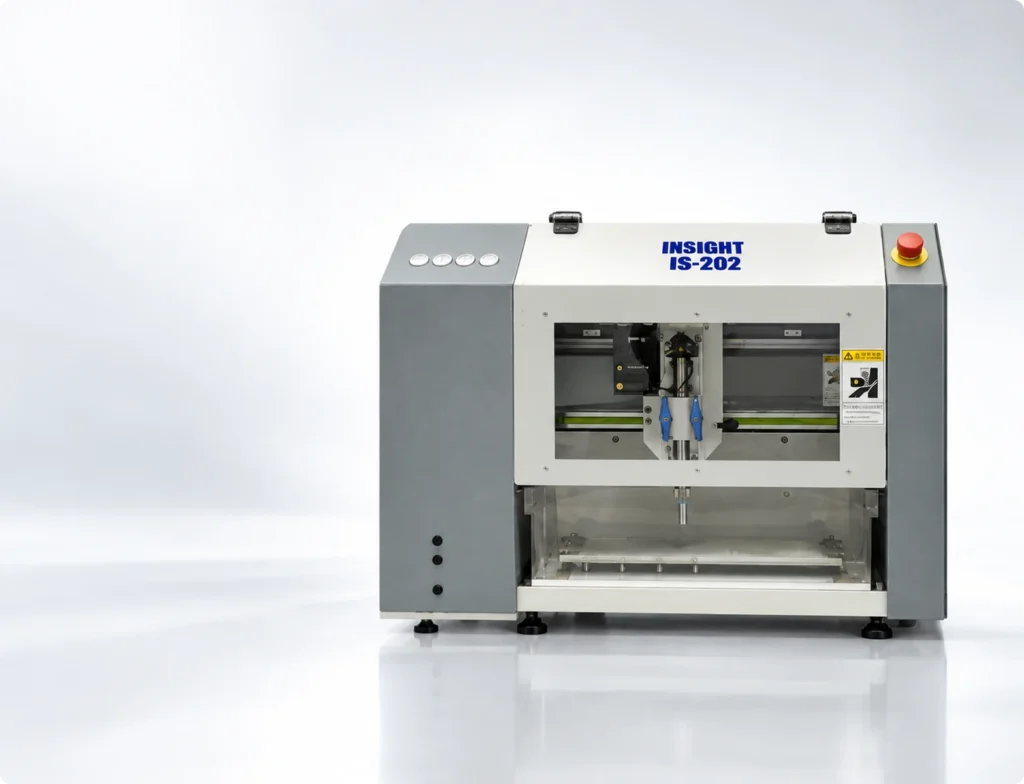
Not Sure If the MIV-X Is Right for Your Inspection Needs?
Choosing an inspection system depends on the material, the defects you need to identify and the area you need to examine. Alex Corporation can help you evaluate the MIV-X Ultrasonic Optical Flaw Detector and its available configuration against your non-destructive testing and quality control requirements.
Explore Related Solutions


Frequently Asked Questions
What does a radiation meter measure?
A radiation meter detects ionising radiation and provides measurements such as count rate, exposure rate or dose-equivalent rate, depending on its design and measurement mode. Some models can also measure total counts to support radiation surveys.
Can a radiation meter detect X-rays?
Yes, some radiation meters can detect X-rays. However, their suitability for a particular X-ray measurement depends on the detector’s energy response, measurement range, calibration and intended use.
What is the difference between a radiation meter and a Geiger counter?
A Geiger counter uses a Geiger-Müller detector to register radiation events. A radiation meter is a broader term for instruments that detect or measure radiation. Some radiation meters are based on GM technology and provide additional measurement modes, alarms and data management functions.
What is the difference between µSv/hr and CPM?
µSv/hr expresses a dose-equivalent rate, while CPM indicates the number of detected radiation events per minute. The relationship between the two depends on the instrument’s detector response, calibration and the radiation being measured.
How often should a radiation meter be calibrated?
Calibration frequency depends on the instrument manufacturer’s recommendations, applicable regulations, the measurement application and the organisation’s quality procedures. Users should follow the relevant requirements and arrange recalibration when necessary.
Is a handheld radiation meter suitable for every X-ray inspection?
No. Some applications require specialised instruments or measurement methods designed for particular X-ray energies, dose rates or beam conditions. Always verify the instrument’s suitability before using it for radiation protection assessments or compliance measurements.