
- Home
- Products
- Inspection Microscopes
Inspection Microscopes
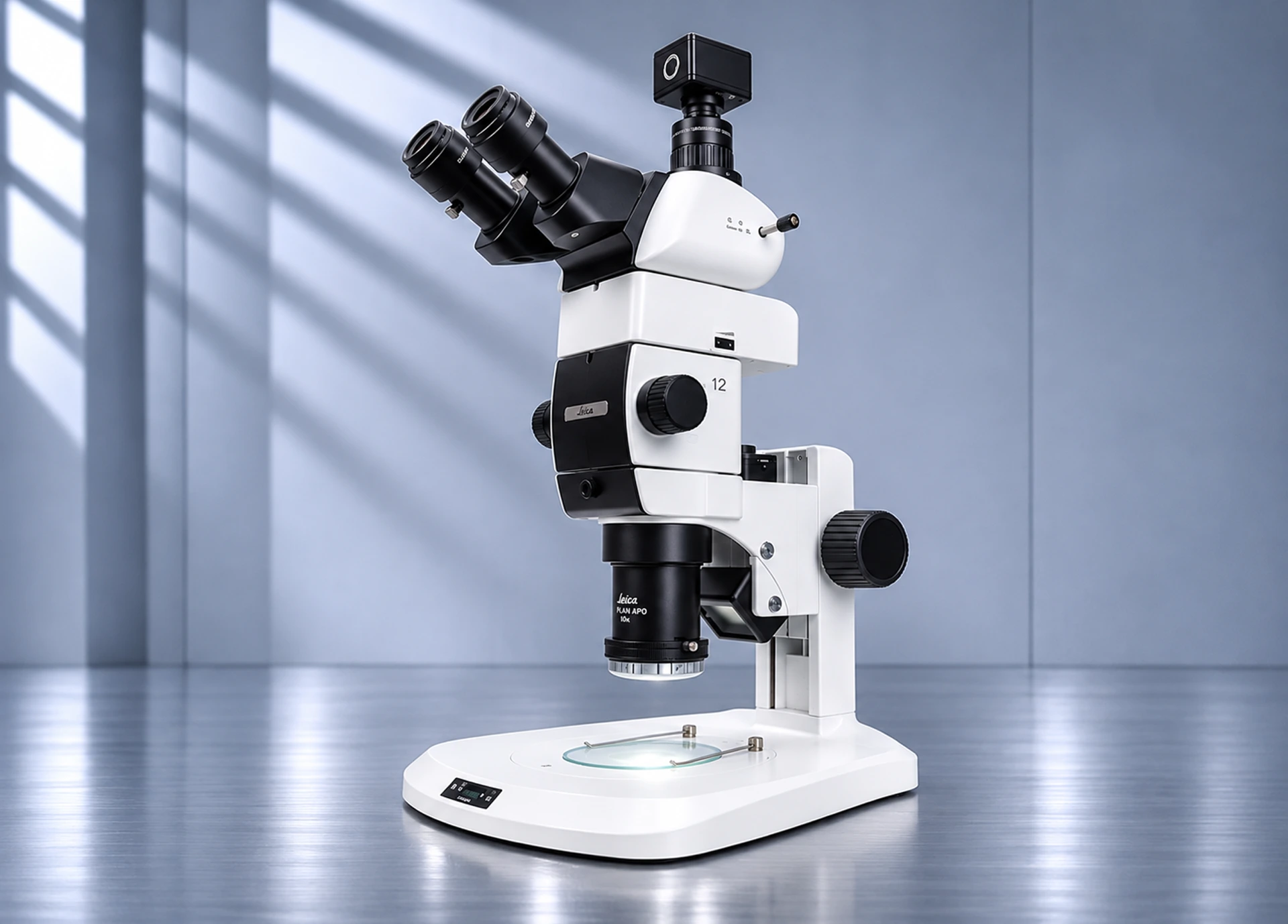
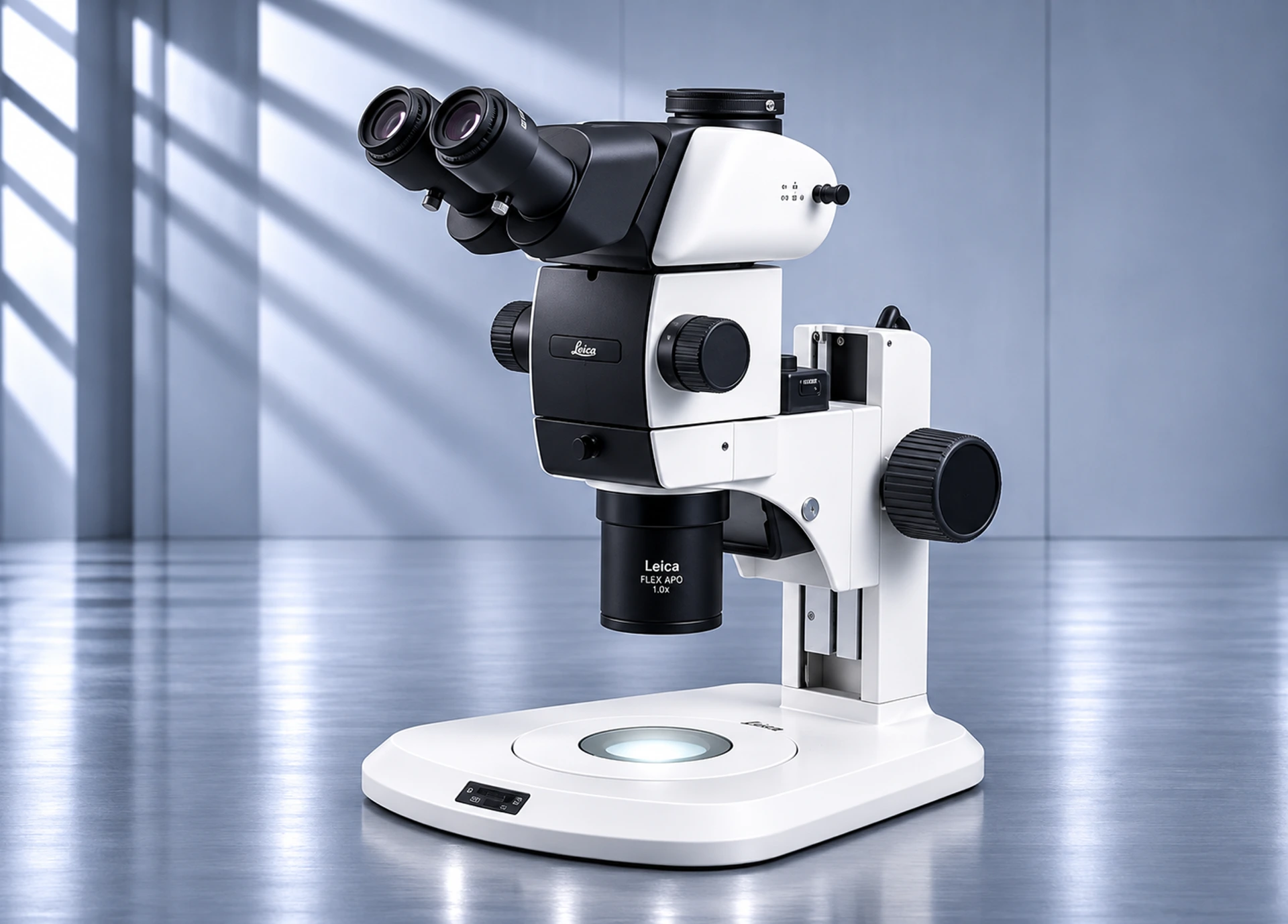
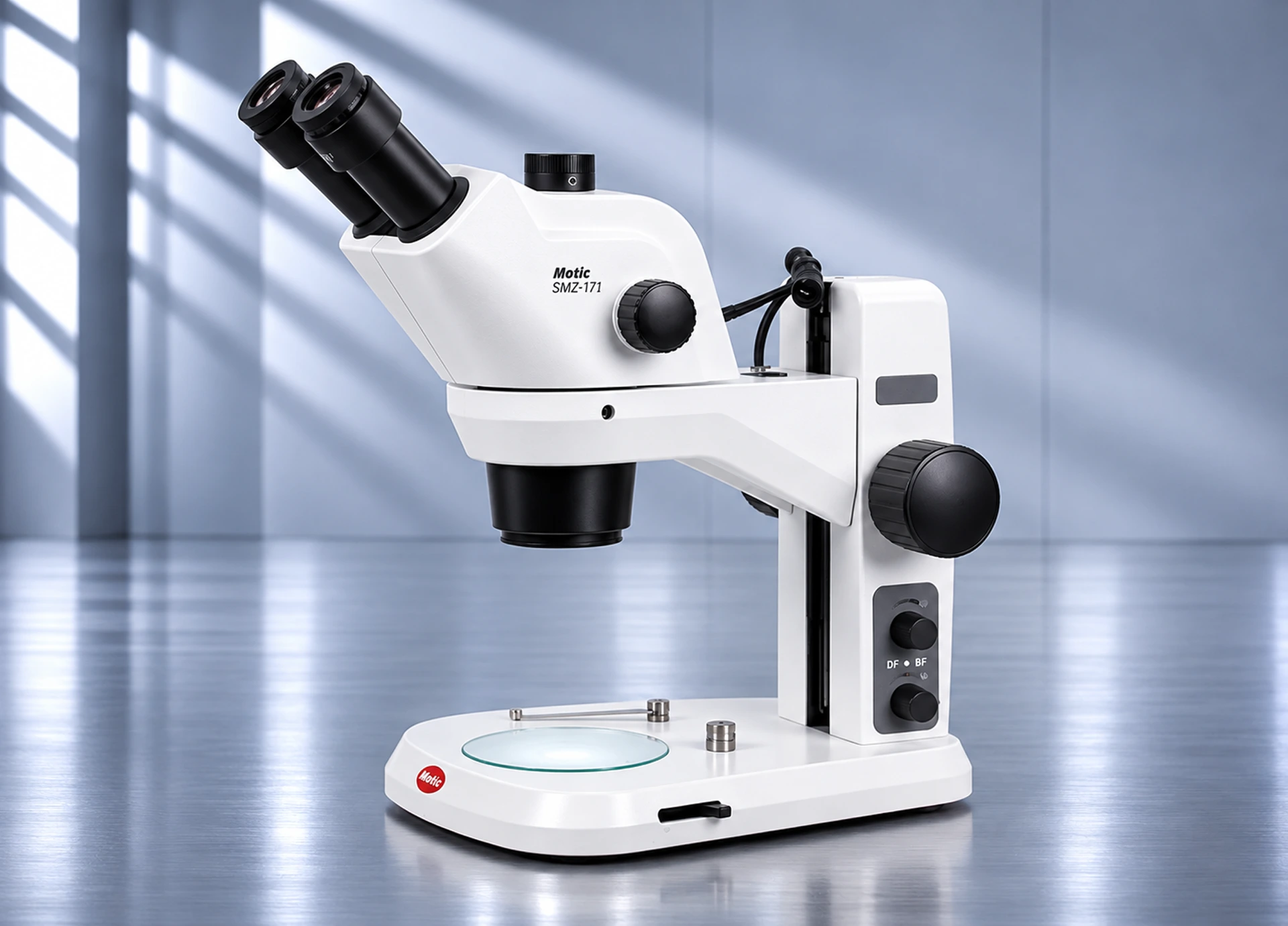
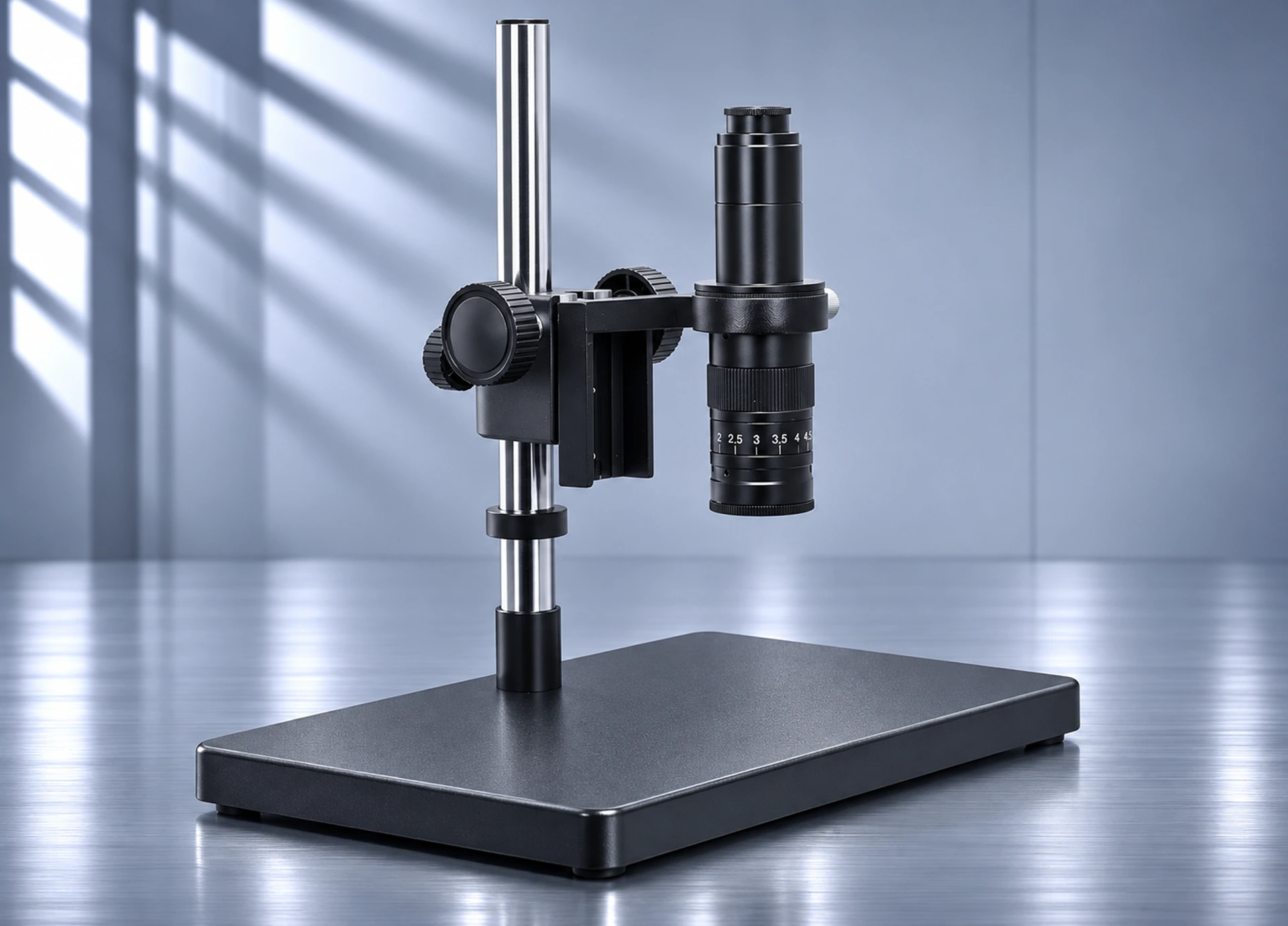
Some product defects are too small to see with the naked eye. Tiny cracks, weak solder joints or dust can lead to faulty products and extra costs. An inspection microscope helps you spot these problems early. Alex Corporation supplies I-Optik and Vision Engineering inspection microscope systems in Singapore and Malaysia, including Full HD cameras, auto-focus microscopes, zoom microscopes, LED magnifiers and accessories to suit different inspection needs.

What Are Inspection Microscopes Used For?
I-Optik and Vision Engineering inspection microscopes support different inspection needs, from checking small electronic components to examining surfaces and recording images for quality control. The right system depends on what you need to inspect, the level of detail required, and whether you prefer optical viewing or digital images.
Electronics Inspection
Electronic components often contain small parts that are difficult to examine without magnification. An inspection microscope helps users look more closely at connectors, solder joints, and other visible details.
This can help identify potential problems during assembly and quality checks. For hands-on tasks like inspection and rework, a 3D stereo magnifier such as OPTA gives a comfortable view with good depth, while an LED round magnifier suits quick visual checks.
Manufacturing and Quality Control
Manufacturers need to check products for visible damage, surface marks, and assembly issues before they reach customers.
An inspection microscope makes it easier to examine small details and check whether a component meets the required quality standards. For production lines, a digital 3D viewer like the DRV-Z1 also lets teams capture and share images with colleagues, while the LCD Zoom – Top/Side 3D Inspection system supports viewing a part from the top and side.
Precision Engineering
Some manufactured parts have very small features that need careful inspection. An inspection microscope helps users examine edges, surfaces, and other details that may be difficult to see clearly with the naked eye.
A model with 3D viewing can also help users better understand the shape and depth of a component. For teams that regularly inspect small components, an eyepiece-less stereo microscope like Mantis offers a comfortable viewing experience and a 3D image that helps users see the shape and depth of an object. The 3D Mantis Scope is also part of the Alex Corporation range.
Research and Product Development
During product development, engineers may need to examine samples, compare small features, or record their observations.
An inspection microscope can make these tasks easier by providing a closer view of the sample. A zoom stereo microscope such as the Lynx EVO also offers an optional HD camera to record images and video for later review. and Alex Corporation carries low power and high power microscopes for different levels of magnification.
Digital Imaging and Detailed Inspection
Some inspection tasks require more than a magnified view. Digital microscopes allow users to view images on a screen and, depending on the model, capture images for reports or future reference. Zoom and auto-focus features can also help users examine different areas of a component more conveniently. If you need to view magnified images on a screen, a digital inspection microscope such as PicoZoom is another option to consider. A compact video microscope or an eyepiece adapter camera can also help with working on images on a screen. Digital viewing can be useful when inspecting small details or sharing images with other team members.
When choosing an inspection microscope, consider the size of the component, the level of magnification you need, and whether you want digital imaging or other extra features. An inspection microscope is often just the first step, so Alex Corporation also offers 2D X-ray inspection and 3D CT scanning from Shimadzu, high power microscopes from Motic, and scanning acoustic microscopes. Together, they let you check a part from the outside to the inside, all from one supplier. Our team can help you find the right I-Optik Microscopy Solutions and Vision Engineering systems for your application.
Not Sure Which Inspection Microscope Is Right for You?
Tell us about your application and inspection needs. Contact Alex Corporation today to explore suitable inspection microscope solutions or book a product demo.
Singapore: +65 6873 8400
Malaysia: 1800-2539-2539
Visit us: 71 Bukit Batok Crescent, #10-03, Singapore 658071
Explore Related Solutions


Frequently Asked Questions
What is an inspection microscope used for?
An inspection microscope makes small objects appear larger so users can examine them more clearly. It is commonly used to inspect electronic components, check surfaces and identify visible defects during manufacturing and quality control.
Which industries use inspection microscopes?
Inspection microscopes are used in electronics, manufacturing, precision engineering and other industries where small details matter. The most suitable model depends on the components being inspected and the level of detail required.
What is the difference between an inspection microscope and a regular microscope?
An inspection microscope is made for checking products and parts in a factory or lab. It often offers more working space under the lens, flexible lighting and, in many models, a camera. A regular microscope is usually made for thin slides and small samples.
What is the difference between an optical and a digital microscope?
An optical microscope uses lenses to magnify an object for viewing. A digital microscope displays magnified images on a screen and may offer features such as image capture, depending on the model. For digital imaging options, Alex Corporation also offers Motic high power microscopes.
Why is 3D viewing useful for inspection?
3D viewing helps users see the shape and depth of an object more clearly. This can be useful when examining uneven surfaces, small assembled parts or components with features at different heights.
How do I choose the right inspection microscope?
Start by considering what you need to inspect and how much magnification you require. You should also decide whether you need a 3D view, an eyepiece-less design or digital images on a screen. Alex Corporation’s Vision Engineering optical inspection range includes eyepiece-less models for a comfortable 3D view.
Can an inspection microscope help improve product quality?
Yes. An inspection microscope helps users examine components more closely and spot visible problems before products move to the next stage of production. However, some defects may require additional testing to confirm.
Can I save photos and videos from your inspection microscopes?
Yes, depending on the model. The I-Optik HD-3800 camera saves photos and videos to an SD card, and the MP-3PM can capture images
Do you sell microscope accessories?
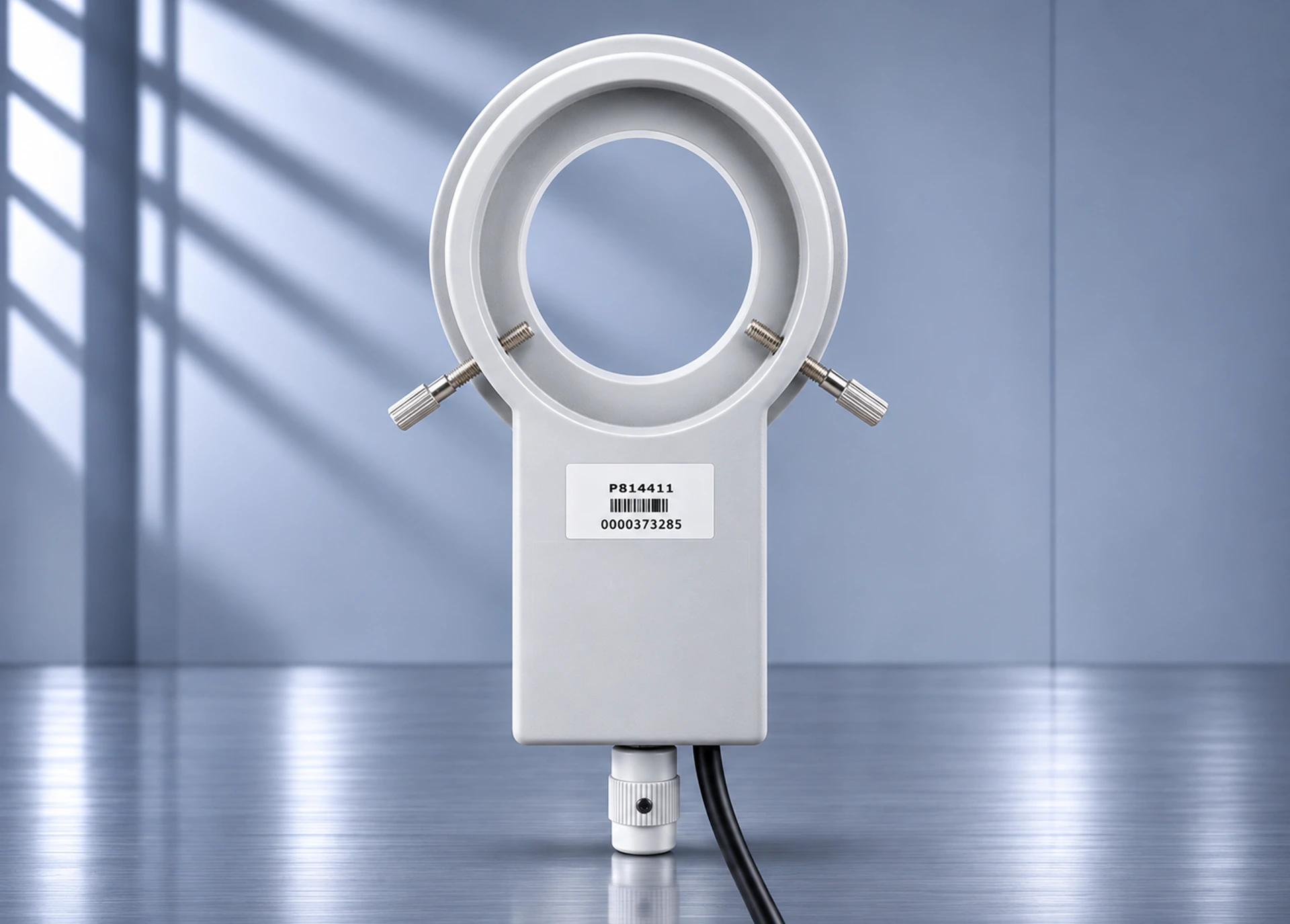
Yes. Alex Corporation offers LED ring lights, goose neck lights, bottom lights, X-Y tables, 3D rotators and long stands for its I-Optik inspection microscopes.
What information should I prepare before requesting a quote?
Prepare details about the components you need to inspect, the level of magnification required and whether you need features such as 3D viewing or digital imaging. This information can help Alex Corporation identify suitable options.
Which countries do you serve?
Alex Corporation supports customers in Singapore, Malaysia, Thailand, Vietnam and Indonesia.